Learn what an independent AML audit involves, who needs one and how VASPs, DNFBPs and NBFCs can prepare. A practical guide for regulated businesses.

Navigating the World of AML
Learn what an independent AML audit involves, who needs one and how VASPs, DNFBPs and NBFCs can prepare. A practical guide for regulated businesses.
A fractional compliance officer gives your business expert AML leadership without a full-time hire. Learn when outsourcing makes sense and what to expect.
FIU-IND Registration is often viewed as a portal onboarding exercise. In reality, it is the foundation of an Non-Banking Financial Company (NBFC)’s Anti-Money Laundering and Countering the Financing of Terrorism (AML/CFT) compliance framework. This guide explains why FIU-IND Registration matters, how the FINnet 2.0 ecosystem fits into the process and…
Stablecoins are no longer confined to crypto trading. Over the last few years, they have evolved into an important component of the global digital asset ecosystem, supporting cross-border transfers, merchant settlements, treasury operations and institutional payments. Financial institutions, fintechs and payment providers are increasingly exploring stablecoin-based payment infrastructure because it…
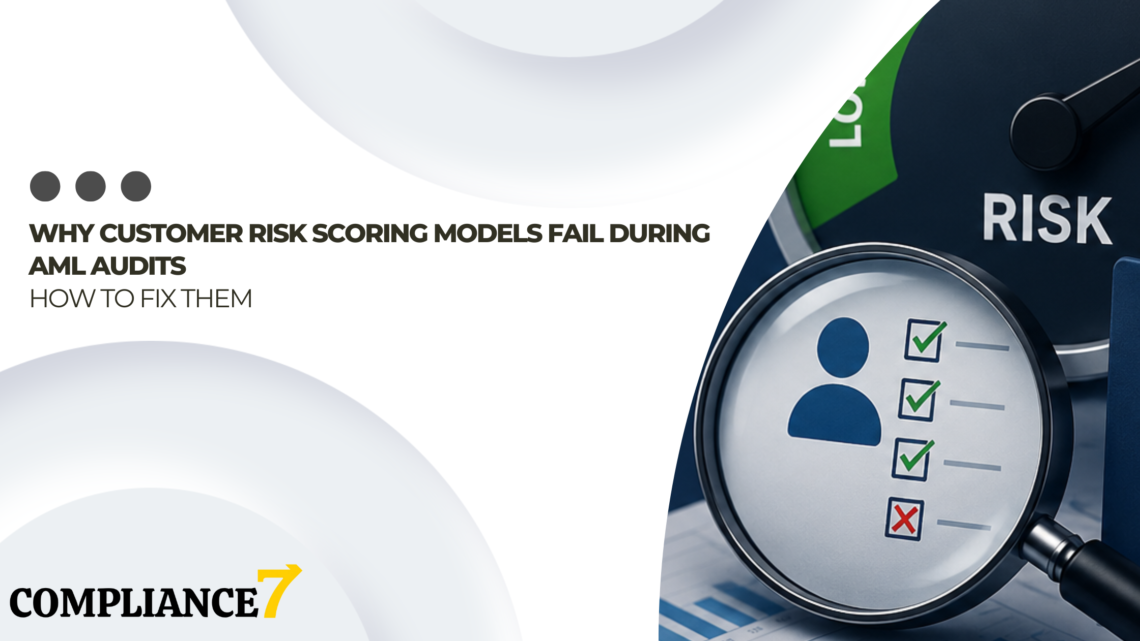
Discover the most common weaknesses in customer risk scoring frameworks and learn how to build a dynamic, risk-based model that withstands regulatory scrutiny. Financial institutions spend considerable time designing customer risk scoring frameworks. These frameworks influence customer due diligence (CDD/EDD), transaction monitoring, periodic reviews and ongoing monitoring. They also determine…
The OECD’s CARF requires crypto platforms across 76 jurisdictions to report user transactions to tax authorities. Here’s the global timeline, scope and what crypto businesses must do.

The FATF grey list June 2026 adds Iraq and Bosnia, removes Algeria and Namibia. Learn what changed and how to update your compliance program.

VASP compliance in India goes far beyond FIU registration. Learn what regulators expect on CDD, STR filing, Travel Rule and audit readiness under the 2026 guidelines.

The UK AML regulations 2026 introduce a package of targeted reforms affecting crypto firms, TCSPs and due diligence. Most provisions take effect from 30 June 2026, while certain cryptoasset measures are phased in during 2027.

Build a risk-based stablecoin compliance program that satisfies regulators. Covers KYC, transaction monitoring, sanctions and Travel Rule.